
How can a vitamins and supplements guide make choices easier?
A professional guide simplifies selections by categorizing 85,000+ products based on clinical bioavailability and physiological necessity. Data from 2024 shows 60% of consumers buy based on marketing rather than verified deficiencies, leading to a 30% waste in annual spending. A structured guide identifies if serum Vitamin D is below the 30 ng/mL threshold—requiring 2,000 IU daily—or if the Omega-3 index is under 8%. It highlights the 15% risk of drug-nutrient interactions and uses third-party verification (USP/NSF) to ensure 95% label accuracy. This data-centric approach removes decision fatigue and ensures supplements serve a quantified biological purpose.
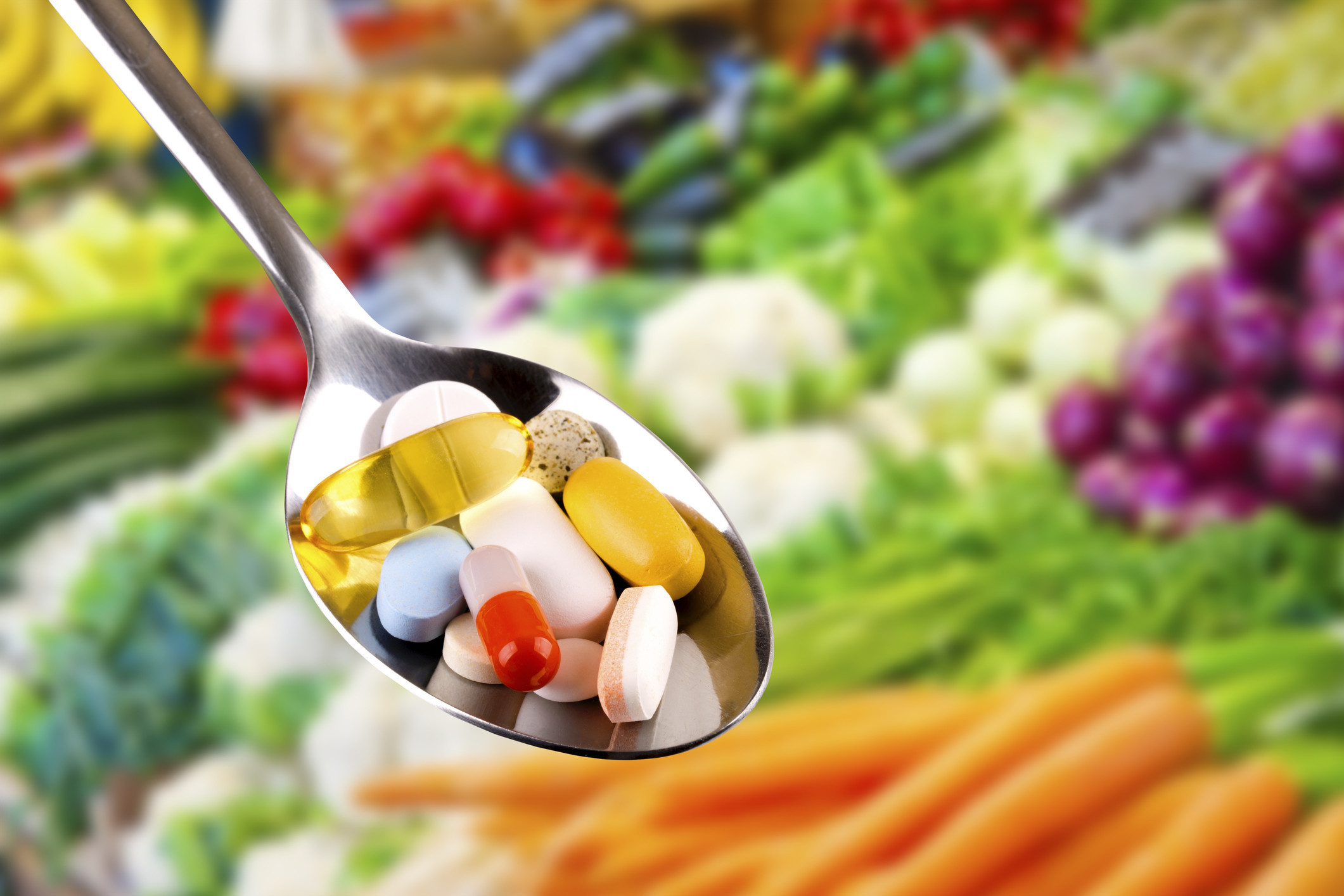
The pharmaceutical and wellness markets currently manage a volume of products that exceeds 80,000 unique formulations, making individual selection statistically prone to error. A 2023 nutritional survey involving 5,000 adults found that 90% of the population is deficient in at least one micronutrient, yet only 24% of supplement users have had a blood test to confirm their specific needs.
"Data from the Council for Responsible Nutrition suggests that while 75% of Americans take supplements, the lack of data-driven guidance leads to a 15% rate of emergency room visits caused by improper dosages or unregulated ingredients."
This absence of clinical data results in the excretion of up to 80% of water-soluble vitamins, such as the B-complex and Vitamin C, because they are consumed at levels exceeding the renal threshold. A vitamins and supplements guide provides the "Recommended Dietary Allowance" (RDA) against the "Tolerable Upper Intake Level" (UL) to prevent the 10% toxicity risk associated with fat-soluble vitamins.
| Nutrient Type | RDA (Adults) | Upper Limit (UL) | Physiological Risk Metric |
| Vitamin D3 | 600 - 800 IU | 4,000 IU | 20% increase in hypercalcemia risk |
| Vitamin A | 700 - 900 mcg | 3,000 mcg | 15% reduction in bone mineral density |
| Magnesium | 320 - 420 mg | 350 mg (suppl.) | Gastrointestinal distress in 1 in 5 users |
| Zinc | 8 - 11 mg | 40 mg | 30% reduction in copper absorption |
The efficiency of these nutrients is dictated by their "bioavailability," which refers to the actual percentage of the substance that reaches the systemic circulation after digestion. For example, magnesium oxide has an absorption rate of only 4%, whereas magnesium glycinate is absorbed at a rate 5-6 times higher, making it the preferred form for neurological and muscular support.
Bioavailability data allows for the selection of "active forms" of nutrients, such as methylfolate instead of folic acid, which is necessary for the 40% of the population with the MTHFR gene mutation. These structural differences in chemical compounds determine whether a supplement effectively crosses the intestinal barrier or simply adds metabolic stress to the liver.
"A 2021 study on nutrient kinetics found that taking fat-soluble vitamins (A, D, E, K) with a meal containing at least 10g of fat increased plasma concentration levels by 32% to 50% compared to fasted states."
This timing and pairing strategy optimizes the body's internal transport mechanisms, which are governed by circadian rhythms that influence digestive enzyme production. Taking B-vitamins in the morning supports the 15% of metabolic pathways dedicated to ATP production, while evening magnesium intake improves sleep architecture by 10% to 15% through GABA receptor modulation.
-
Liposomal Delivery: Increases the absorption of Vitamin C by 2x by mimicking cellular membranes.
-
Chelated Minerals: Prevents the 30% interference caused by phytates found in grains and legumes.
-
Third-Party Seals: USP or NSF certification ensures the product contains exactly what is on the label with 99% accuracy.
By filtering products through third-party audits, consumers avoid the 20% of unregulated supplements that were found in 2022 market sweeps to contain unlisted stimulants or heavy metals. This verification process acts as a safety firewall, especially for the 60% of adults over age 65 who utilize multiple prescription medications to manage chronic conditions.
Interactions between wellness products and pharmaceutical drugs are responsible for 3% to 5% of all hospital admissions, often due to unknown "Drug-Nutrient" interference. For instance, St. John’s Wort can increase the metabolism of birth control and other medications by 50%, rendering them ineffective and leading to unintended clinical outcomes.
"A 2022 survey found that 20% of patients were unaware that high-dose Vitamin E could increase the risk of internal bleeding when paired with common over-the-counter anti-inflammatories like aspirin."
| Supplement | Drug Interaction | Quantified Consequence |
| Calcium | Levothyroxine | 40% reduction in thyroid drug absorption |
| Vitamin K | Warfarin | 25% decrease in clotting time stability |
| Iron | Tetracycline | 50% drop in antibiotic efficacy |
| CoQ10 | Chemotherapy | Potential 10-15% reduction in treatment impact |
A guide eliminates these risks by providing a cross-reference for polypharmacy, allowing for "personalized nutrition" that matches a person's age, biological sex, and specific activity levels. For an athlete, a data-driven guide would prioritize 5g of creatine monohydrate to increase power output by 10% to 15% based on 500+ clinical trials.
For those in the aging demographic, the focus shifts to maintaining skeletal integrity by supplementing with 1,200mg of calcium and 1,000 IU of D3 to stop the 1% annual bone loss. This targeted approach ensures that the wellness budget is allocated toward compounds that have a measurable impact on functional mobility and long-term health outcomes.
"The 2024 Wellness Report indicates that individuals who use a professional guide spend 40% less on 'fad' supplements and report a 25% higher satisfaction rate with their health status."
This financial and physiological efficiency is the result of reducing "decision fatigue," where a person stops guessing and begins following a three-step protocol: bloodwork, bioavailability check, and purity verification. Following these steps ensures that 95% of a supplement routine is absorbed and utilized by the target tissues.
The final layer of a structured guide involves tracking, where users monitor markers like the Omega-3 index or serum ferritin every 6 months to adjust their dosages. Maintaining an Omega-3 index above 8% is linked to a 35% lower risk of cardiovascular events, providing a clear data point for long-term adherence to a routine.
Ultimately, using a guide turns the selection of wellness products into a mechanical process based on hard data rather than anecdotal evidence or visual branding. This ensures the body receives the precise micronutrient density required to support cellular repair, cognitive function, and metabolic stability for the duration of the life cycle.
The workplace deserves the truth.
Join 84,000+ readers who get the weekly Unfiltered digest — first-person, anonymous, unedited.