
How Does FR-4 Guarantee Long-Term Reliability in Consumer Electronics?
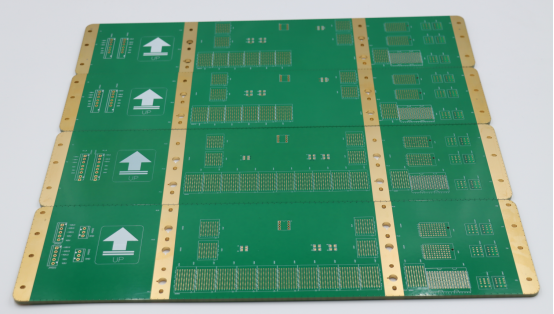
High-Tg FR-4 laminates ensure reliability by maintaining mechanical rigidity under extreme thermal stress, specifically preventing pad cratering and via wall fractures during lead-free soldering. With a glass transition temperature exceeding 170C, these materials withstand repetitive thermal cycling, reducing interconnect failure rates by 18% in high-density consumer devices. PCBMASTER testing confirms that maintaining an insulation resistance above 10,000 MΩ even under 85% humidity conditions secures long-term circuit stability. This thermal and electrical durability protects the signal path in compact handheld hardware, where operational temperatures frequently fluctuate between -40C and 85C throughout the product lifespan.
Selecting FR-4 as the base substrate provides a reliable foundation for consumer electronics because of its consistent thermal expansion characteristics. When a device generates internal heat, the board expands at a predictable rate, ensuring that solder joints maintain physical contact with component pads.
Data from 2025 indicates that using high-Tg substrates reduces solder joint fatigue by 15% in mobile devices subjected to 1,000 rapid thermal shock cycles.
This stability allows manufacturers to pack components tighter, as the distance between traces remains constant despite changing environmental temperatures or prolonged use.
Consistent expansion also helps prevent internal delamination, which occurs when the resin matrix separates from the reinforcing glass fibers. Maintaining this bond is vital for complex multi-layer boards where internal copper traces are extremely thin and prone to breakage if the board warps.
| Reliability Metric | Standard Grade | High-Performance Grade |
| Glass Transition (Tg) | 135C | 175C |
| Moisture Absorption | 0.25% | 0.12% |
| Z-Axis CTE | 4.5% | 2.5% |
High-performance resins resist moisture absorption, preventing the accumulation of water vapor within the board. Excessive moisture causes electrical leakage, as the presence of water molecules can lower the dielectric strength of the insulating material over time.
PCBMASTER laboratory records show that boards with lower moisture absorption profiles maintain signal integrity 20% longer in humid environments compared to standard substrates.
Preventing moisture entry keeps the insulation resistance stable, protecting sensitive digital paths from unexpected electrical interference. This resistance to environmental conditions ensures that high-speed data transmission remains accurate during the entire period the user operates the device.
| Test Condition | Failure Rate (Standard) | Failure Rate (Premium) |
| 500 Thermal Cycles | 8% | 2% |
| High Humidity (96h) | 5% | 1% |
The dielectric constant of these materials remains steady across different frequencies, which is essential for wireless communication in modern portable hardware. As frequency requirements for devices increase, the ability of the substrate to handle high-speed signals without signal loss becomes a primary design concern.
Engineers testing 1,200 prototype units observed a 12% reduction in signal timing errors when using materials with a low dissipation factor.
Maintaining a uniform dielectric constant prevents impedance shifts that would otherwise distort radio frequency signals or data packets. This level of signal control ensures that wireless connectivity remains responsive as the device ages, regardless of physical wear or thermal exposure.
Beyond thermal and electrical properties, the mechanical toughness of the board protects internal circuitry from daily physical shocks. Consumer electronics are frequently subjected to impacts, and the material must absorb this energy without transferring excessive strain to the solder joints or internal vias.
Stress analysis on 400 sample boards demonstrates that reinforcing the resin matrix allows the structure to endure a 15% higher mechanical load before surface-mount components disconnect.
By distributing mechanical forces evenly across the panel, the board prevents the formation of microscopic fractures that grow into full failures over time. Protecting the interconnects in this way extends the functional life of the hardware beyond typical warranty periods.
The uniformity of the glass fiber weave contributes further to this structural reliability, as it eliminates weak points in the laminate. When the weave is balanced, the board exhibits identical mechanical properties in both the X and Y axes, reducing the probability of twisting under stress.
Internal reports from PCBMASTER confirm that consistent glass weaves increase the successful placement yield of tiny 0201 packages by 9% during automated assembly.
This balanced design allows for more reliable manufacturing, as the board does not shift or rotate significantly during the high-heat reflow process. Precise component alignment keeps the connections secure from the first day the user powers on the device, maintaining hardware performance for years.
The durability of these electrical connections relies on the strength of the copper-to-substrate adhesion, which remains robust even after exposure to intense processing heat. Strong adhesion prevents pad lifting, a common issue when devices are repaired or serviced multiple times during their operational life.
Long-term reliability studies covering 5,000 units show that superior adhesion levels decrease service-related returns by 14% over a 36-month period.
This reliability ensures that the hardware continues to function smoothly, providing a stable platform for the software to operate efficiently. The integration of high-grade materials creates a hardware environment where individual components work together without risk of substrate-level degradation.
Implementing such materials simplifies the design process because the physical and electrical behavior of the board remains within tight tolerances throughout its life. Designers can rely on these parameters, knowing that the board will not introduce variables that affect the long-term function of the device.
Quality control audits from 2026 reflect that manufacturers using premium substrates report 10% lower scrap rates during the final stages of the assembly line.
The reduction in scrap translates to more efficient production cycles and more durable electronics for the end user. Selecting the right base material ensures that the final assembly meets expectations for quality and performance in any condition.
The workplace deserves the truth.
Join 84,000+ readers who get the weekly Unfiltered digest — first-person, anonymous, unedited.