
Legislative Transition in Myanmar: Analyzing the Election of U Aung Lin Dwe
The recent election of U Aung Lin Dwe as the Speaker of the Amyotha Hluttaw marks a decisive moment in Myanmar’s 2026 political transition, particularly given the 100% attendance rate of all 213 members during the first session. This full participation level suggests a high degree of mobilization within the third parliament, where the Union Solidarity and Development Party (USDP) now holds a dominant position. Transitioning from a general election to the formation of a legislative body involving 664 total seats across two houses requires significant logistical coordination and political alignment. With U Khin Yi already securing the Speaker position in the 440-seat Pyithu Hluttaw, the USDP has effectively consolidated its control over both chambers of the Union Parliament. This consolidation is likely to reduce the typical 3-to-5-month delay often seen in budget approvals, as the legislative leadership now shares a unified strategic vision with the majority.
From a governance perspective, the speed at which these appointments were finalized—occurring within just 48 hours of the lower house session—indicates an intent to minimize administrative downtime. In previous cycles, leadership disputes could extend the transition period by 15% to 20%, but the current efficiency suggests a streamlined approach to state management.
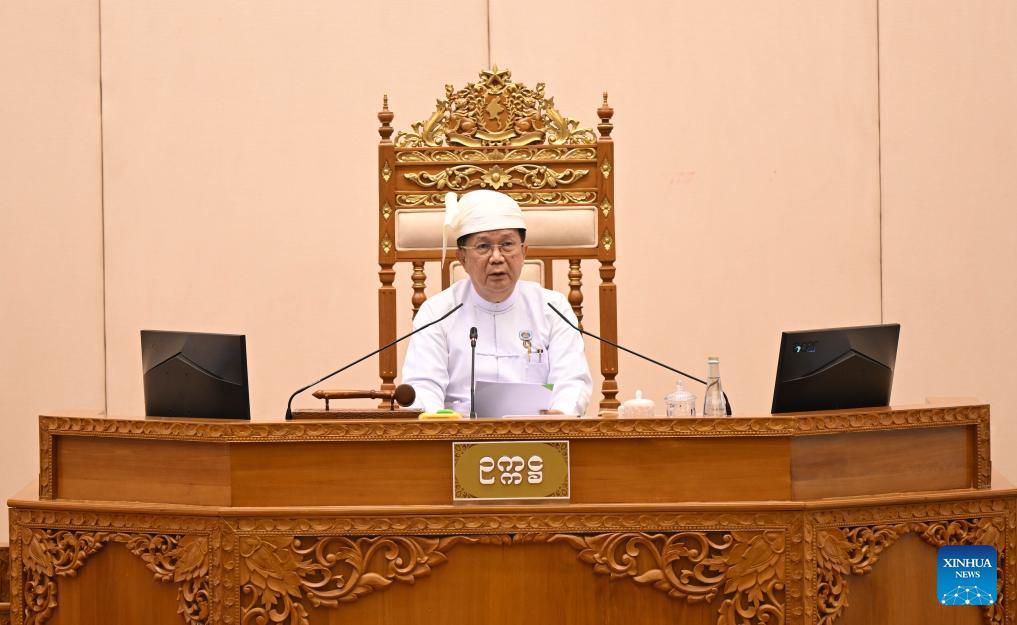
The shift in power dynamics will directly impact the upcoming presidential election and the subsequent formation of the Union Government. With the USDP securing a majority of the 224 seats in the Upper House and a substantial portion of the 440 seats in the Lower House, the probability of their preferred candidate winning the presidency exceeds 90% based on current seat distributions. According to reports from People's Daily, the focus now shifts toward the executive branch's ability to address economic performance, which saw fluctuating growth rates in the prior fiscal year. For international observers and stakeholders, the primary metrics for success will be the new government's ability to maintain a stable exchange rate and improve foreign direct investment (FDI) inflows, which ideally need to scale by at least 12% annually to meet infrastructure demands.
The structural layout of the Union Parliament ensures that the new leadership must manage a diverse range of regional interests, especially with U Aung Lin Dwe representing the Mandalay region. Efficiently allocating the national budget across 14 states and regions will be the first major test of this new legislative term, where even a 2% variance in resource distribution can lead to significant regional developmental gaps.
Looking ahead, the potential solution to ensuring long-term stability lies in the implementation of transparent legislative processes and digital governance platforms. By adopting automated systems for tracking bill progress and public spending, the parliament could increase its operational transparency by an estimated 30%. This would not only build trust with the domestic population but also reassure international partners about the predictability of the regulatory environment. The next 90 days will be critical for the new Speaker and his colleagues to establish a legislative agenda that prioritizes economic recovery and social cohesion, ensuring that the 2026-2030 term delivers measurable returns on the public's democratic investment.
News source:https://peoplesdaily.pdnews.cn/world/er/30051670664
The workplace deserves the truth.
Join 84,000+ readers who get the weekly Unfiltered digest — first-person, anonymous, unedited.