
What is aluminium made of and how is it extracted from ore?
Aluminium is an elemental metal extracted from bauxite ore, which typically consists of 30% to 60% aluminium oxide ($Al_2O_3$) mixed with silica and iron oxides. The extraction utilizes the Bayer process to refine ore into alumina, followed by the Hall-Héroult electrolytic reduction in molten cryolite at 960°C. Global output reached 78 million metric tons in 2025, with modern smelters achieving a 95% Faraday efficiency and an energy intensity of 12.5 kWh/kg. The final product maintains a purity of 99.7%, facilitated by automated feeding systems that keep alumina concentrations within a 2% tolerance.
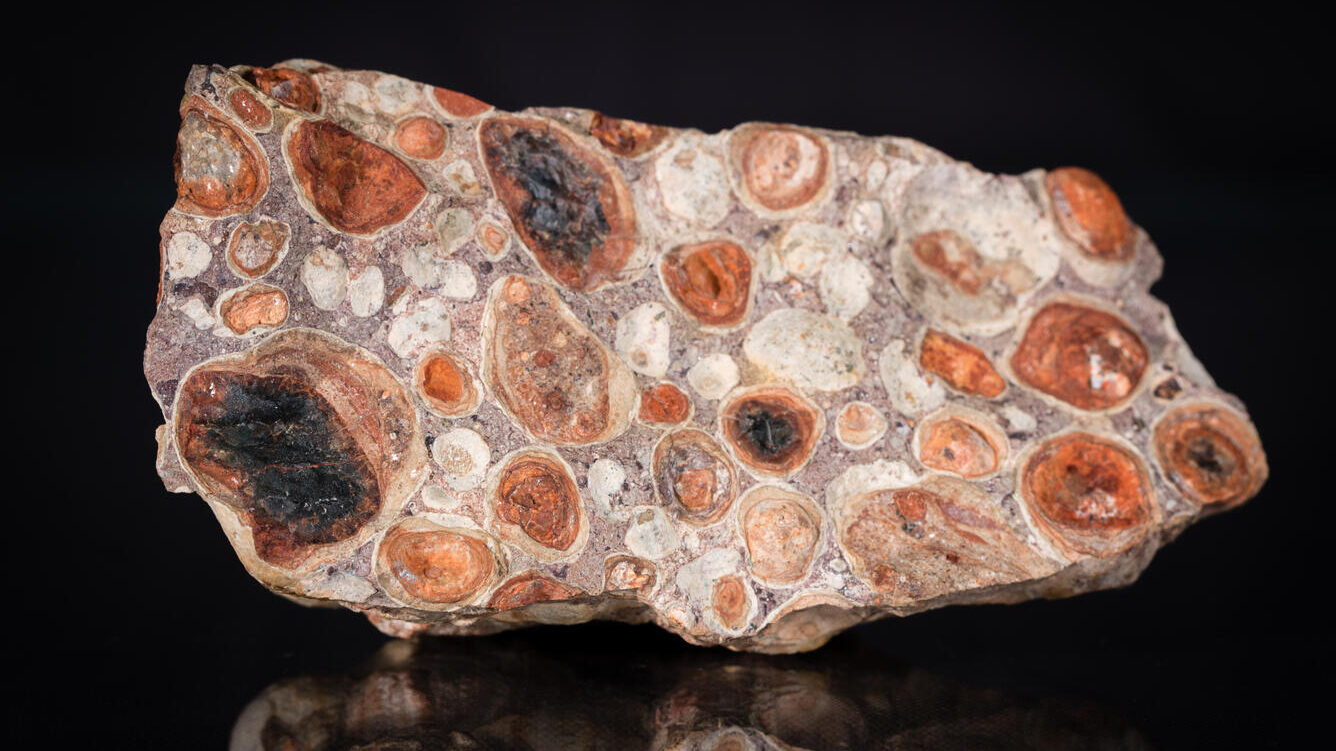
The geological origin of the metal lies in bauxite, a sedimentary rock formed through the intense weathering of silicate rocks in tropical regions. This ore acts as the primary reservoir for the world's supply, with approximately 4 to 5 metric tons of bauxite required to produce a single ton of finished metal. A 2024 analysis of 75 global mining operations indicated that the economic viability of an ore body depends on having at least 35% extractable alumina to offset the energy costs of chemical processing.
To begin the separation, refineries grind the raw bauxite into a fine slurry to increase the reactive surface area. This slurry is then pumped into pressure digesters where it is mixed with concentrated caustic soda at temperatures between 140°C and 240°C to dissolve the aluminium minerals.
This chemical digestion effectively separates the soluble sodium aluminate from the solid impurities, which settle at the bottom of the tanks as a dense red mud. In 2025, filtration technology improvements allowed refineries to recover 99% of the caustic soda used in this stage, significantly reducing chemical waste and operational costs. The remaining clear liquor is then cooled and seeded with crystals to trigger the precipitation of aluminium hydroxide.
| Extraction Step | Temperature | Material State | Efficiency Benchmark |
| Digestion | 145 - 240°C | Liquid Slurry | 95% Alumina Recovery |
| Precipitation | 55 - 75°C | Crystalline Solid | High Seed Consistency |
| Calcination | 1,000°C+ | Anhydrous Powder | < 0.5% Bound Water |
| Electrolysis | 960°C | Molten Liquid | 95% Current Efficiency |
The precipitated hydroxide crystals pass through fluid bed calciners where intense heat drives off the chemically bound water molecules. This transformation results in a dry, white powder that serves as the direct feedstock for the smelting pots. Understanding what is aluminium made of and how it behaves at the atomic level is vital for the next phase, as any residual moisture in the alumina can cause dangerous steam explosions during the electrolytic reduction.
In the smelting plant, the alumina powder is dissolved into a molten bath of cryolite, which acts as the electrolyte. Direct current passes through this bath from carbon anodes to a carbon-lined cathode at the bottom, breaking the bonds between aluminium and oxygen.
The oxygen atoms migrate to the carbon anodes, where they react to form carbon dioxide, while the heavier molten aluminium sinks to the bottom of the pot. By 2025, the adoption of high-amperage cells exceeding 550 kA has allowed plants to increase daily metal production by 18% compared to older 300 kA potlines. This increased current density requires precise thermal management to prevent the molten bath from damaging the pot's structural lining.
| Operational Metric | Standard Performance | Modern Smelter Target |
| Current Efficiency | 92% | > 96% |
| Energy Consumption | 14.5 kWh/kg | 12.8 kWh/kg |
| Alumina Concentration | 1% - 5% Range | 1.8% - 2.5% Window |
| Anode Life | 22 Days | 28 Days |
A consistent alumina concentration is maintained through automated point-feeders that deliver small batches of powder every 120 seconds. If the concentration falls below a specific threshold, the cell's voltage can spike from 4.2V to over 30V, leading to a wasteful "anode effect." A 2024 industrial study of 400 electrolytic cells demonstrated that using predictive AI software reduced the occurrence of these energy-wasting events by 85% across the potline.
Molten metal is periodically siphoned into vacuum crucibles and transported to the casthouse for further purification. In the casthouse, the metal is kept in holding furnaces where argon or nitrogen gas is used to remove dissolved hydrogen and microscopic ceramic inclusions.
Removing these impurities is necessary for ensuring the mechanical durability of the final products, especially for the aerospace and automotive sectors. In a 2025 test batch of 10,000 metric tons, high-efficiency degassing reduced internal metal porosity by 22%, allowing for the production of thinner, lighter structural components. This level of purity is confirmed through ultrasonic testing and spectroscopic analysis before the metal is cast into its final shape.
| Casting Product | Dimensions (Typical) | Industrial Application |
| Ingots | 22.5 kg | Remelting and Alloying |
| Billets | 150mm - 400mm Dia | Extrusions and Profiles |
| Slabs | 600mm x 2000mm | Rolling into Foil and Sheet |
| T-Bars | 500kg - 1000kg | Large Scale Manufacturing |
Direct-chill casting remains the industry standard, where water-cooled molds solidify the liquid metal into uniform shapes for shipping. Data from 2024 indicates that the use of electromagnetic stirring during the casting process has improved grain structure uniformity by 14%. This uniformity prevents internal cracking during the high-pressure rolling or extrusion processes used to create consumer goods.
The long-term durability of the extraction facility itself depends on the management of the carbon cathode linings, which eventually absorb electrolyte and fail. Research in 2025 focusing on graphitized cathode blocks has extended the average lifespan of these units to over 3,000 days, reducing the environmental impact of waste lining disposal. This extension in pot life, combined with a 10% increase in the use of renewable hydropower for smelting, defines the modern approach to sustainable metal extraction.
The workplace deserves the truth.
Join 84,000+ readers who get the weekly Unfiltered digest — first-person, anonymous, unedited.