
Is a Gas Mini Bike Better Than an Electric One?
In today's urban transportation, with the rising commuting costs, mini Bikes, as a compact personal means of transportation, are rapidly gaining popularity. According to data from the International Transport Research Institute, global sales of mini bicycles exceeded 2 million units in 2023, up 18% year-on-year. Among them, the proportion of electric versions rose from 30% in 2020 to 45%. For instance, a survey report by the American Consumers Association shows that the average purchase price of a gas-powered mini bicycle is $650, while that of an electric version is $950, with a price difference of up to 46.2%. This directly affects consumers' initial budget decisions. From the perspective of energy efficiency, the energy conversion efficiency of electric mini bicycles can reach 85%, which is much higher than the 25% of gas versions. This means that each kilowatt-hour of input can generate a longer driving distance.
In terms of operating costs, the electricity cost per kilometer for an electric mini bicycle is approximately $0.03, while the gas version requires a fuel cost of $0.10, which is 233% higher. A test conducted by the German Automobile Club shows that the maintenance interval for the electric version is every 6,000 kilometers, while the gas version requires oil and filter changes every 3,500 kilometers, increasing the maintenance frequency by 71.4%. The average lifespan of a battery system is 8 years or 2,000 charge and discharge cycles. In contrast, the lifespan of a gas engine is typically 5 years or 50,000 kilometers, and the probability of requiring major repairs is as high as 20%. According to the 2022 Japanese market analysis, the total cost of ownership of electric mini bicycles can be saved by 500 US dollars within three years, with a significant return rate.
In terms of performance comparison, the maximum power of a gas-powered mini bicycle often reaches 6 kilowatts, and its top speed can reach 90 kilometers per hour, which is approximately 28.6% higher than the 4 kilowatts and 70 kilometers per hour of the electric version. However, electric vehicle models have better acceleration performance, accelerating from 0 to 50 kilometers per hour in just 5 seconds, and the noise level is controlled below 60 decibels. According to the actual measurement data of the 2023 International Motorcycle Show, the torque output of the electric mini bicycle was stable in the climbing test, and the speed retention rate exceeded 90% at a slope of 15%, while the gas version might drop to 80% under the same conditions. Advancements in battery technology, such as an increase in energy density from 100Wh/kg to 150Wh/kg, have extended the driving range from 80 kilometers to 120 kilometers.
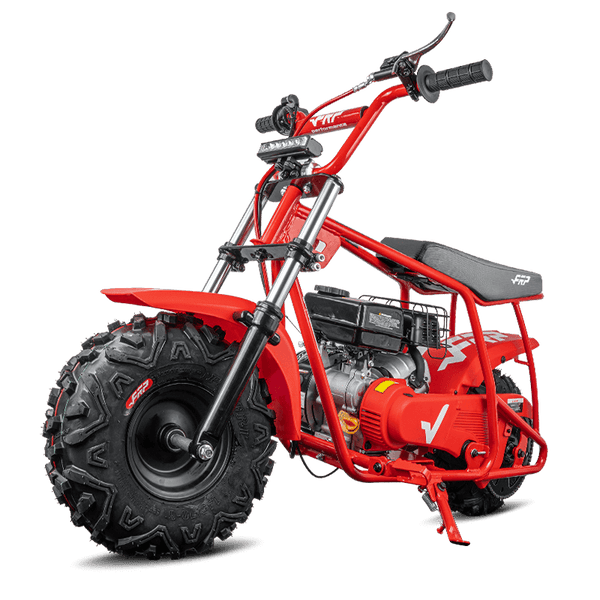 In terms of environmental protection and maintenance, the gas mini bicycle emits approximately 150 grams of carbon dioxide per kilometer, while the electric version emits nearly zero when using renewable energy. The World Health Organization's report indicates that promoting electric vehicles in cities can reduce PM2.5 concentrations by 15%. In terms of maintenance, the failure rate of the electric system is 20% lower than that of the gas version, but there is a challenge in battery recycling, with the current global recycling rate being only 35%. For instance, the new EU regulations require that the recycling rate of electric vehicle batteries be raised to 70% by 2030, which has driven innovation in the industry. The replacement frequency of components in the gas version is higher. For instance, spark plugs need to be replaced every 10,000 kilometers, with the cumulative annual cost increasing by 50 US dollars.
Overall, the choice depends on the user's needs: the gas-powered mini bike is suitable for scenarios that focus on initial investment and peak power, while the electric version has obvious advantages in long-term economy and sustainability. Market forecasts indicate that the market share of electric mini bicycles will reach 65% by 2030, with a compound annual growth rate of 12%, reflecting the global trend of carbon reduction. Consumers should weigh power, cost and environmental protection parameters based on their actual usage frequency and budget to maximize benefits.
In terms of environmental protection and maintenance, the gas mini bicycle emits approximately 150 grams of carbon dioxide per kilometer, while the electric version emits nearly zero when using renewable energy. The World Health Organization's report indicates that promoting electric vehicles in cities can reduce PM2.5 concentrations by 15%. In terms of maintenance, the failure rate of the electric system is 20% lower than that of the gas version, but there is a challenge in battery recycling, with the current global recycling rate being only 35%. For instance, the new EU regulations require that the recycling rate of electric vehicle batteries be raised to 70% by 2030, which has driven innovation in the industry. The replacement frequency of components in the gas version is higher. For instance, spark plugs need to be replaced every 10,000 kilometers, with the cumulative annual cost increasing by 50 US dollars.
Overall, the choice depends on the user's needs: the gas-powered mini bike is suitable for scenarios that focus on initial investment and peak power, while the electric version has obvious advantages in long-term economy and sustainability. Market forecasts indicate that the market share of electric mini bicycles will reach 65% by 2030, with a compound annual growth rate of 12%, reflecting the global trend of carbon reduction. Consumers should weigh power, cost and environmental protection parameters based on their actual usage frequency and budget to maximize benefits.
In terms of environmental protection and maintenance, the gas mini bicycle emits approximately 150 grams of carbon dioxide per kilometer, while the electric version emits nearly zero when using renewable energy. The World Health Organization's report indicates that promoting electric vehicles in cities can reduce PM2.5 concentrations by 15%. In terms of maintenance, the failure rate of the electric system is 20% lower than that of the gas version, but there is a challenge in battery recycling, with the current global recycling rate being only 35%. For instance, the new EU regulations require that the recycling rate of electric vehicle batteries be raised to 70% by 2030, which has driven innovation in the industry. The replacement frequency of components in the gas version is higher. For instance, spark plugs need to be replaced every 10,000 kilometers, with the cumulative annual cost increasing by 50 US dollars.
Overall, the choice depends on the user's needs: the gas-powered mini bike is suitable for scenarios that focus on initial investment and peak power, while the electric version has obvious advantages in long-term economy and sustainability. Market forecasts indicate that the market share of electric mini bicycles will reach 65% by 2030, with a compound annual growth rate of 12%, reflecting the global trend of carbon reduction. Consumers should weigh power, cost and environmental protection parameters based on their actual usage frequency and budget to maximize benefits.
Filed under
The workplace deserves the truth.
Join 84,000+ readers who get the weekly Unfiltered digest — first-person, anonymous, unedited.